TL;DR
Planning before you prompt saves more than time. It protects the product itself from rework, bloat, and features that quietly pull in different directions. Here's the business case for using AI to generate a structured plan before you generate a line of code.
The high cost of vibe-first coding
Vibe coding is fast. It's also chaotic. Most AI-assisted builds start prompting immediately, before anyone has decided what features are actually needed, what the user flows look like, or what data the thing will have to store.
You can guess what comes out the other side: redundant or unused features, component logic that contradicts itself, tangled state management, database queries that crawl. And the bill arrives later, as missed deadlines from last-minute rewrites, lower conversion from confusing flows, and technical debt baked in by inconsistent decisions nobody wrote down.
Planning as a force multiplier for AI
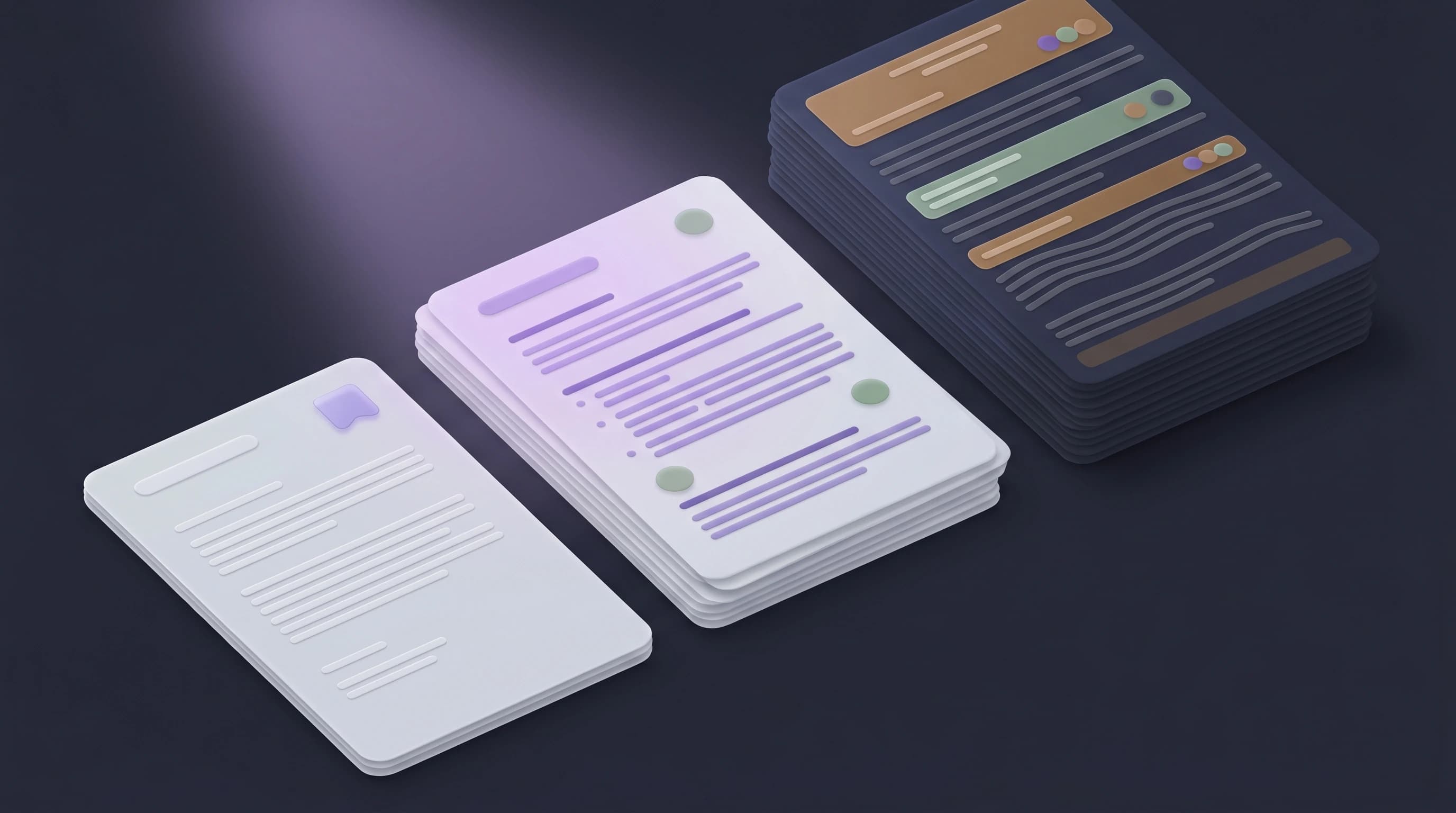
The teams that get genuinely good output from AI all do one thing first: they agree on the shape of the product before they start prompting. Usually that means user stories and goals, acceptance criteria for the features that matter, a data model that won't fall over, and a rough component and layout hierarchy.
Tools like VibeMap generate that structure from a single prompt, which makes everything downstream easier. The AI's output gets clearer, the logic gets more predictable, and you spend far less time editing after the fact.
Related: How to use AI to generate user stories and acceptance criteria
A quick example: planning reduces churn and rework
Say your prompt is:
"Build a SaaS dashboard with team invites, analytics, and payment tracking."
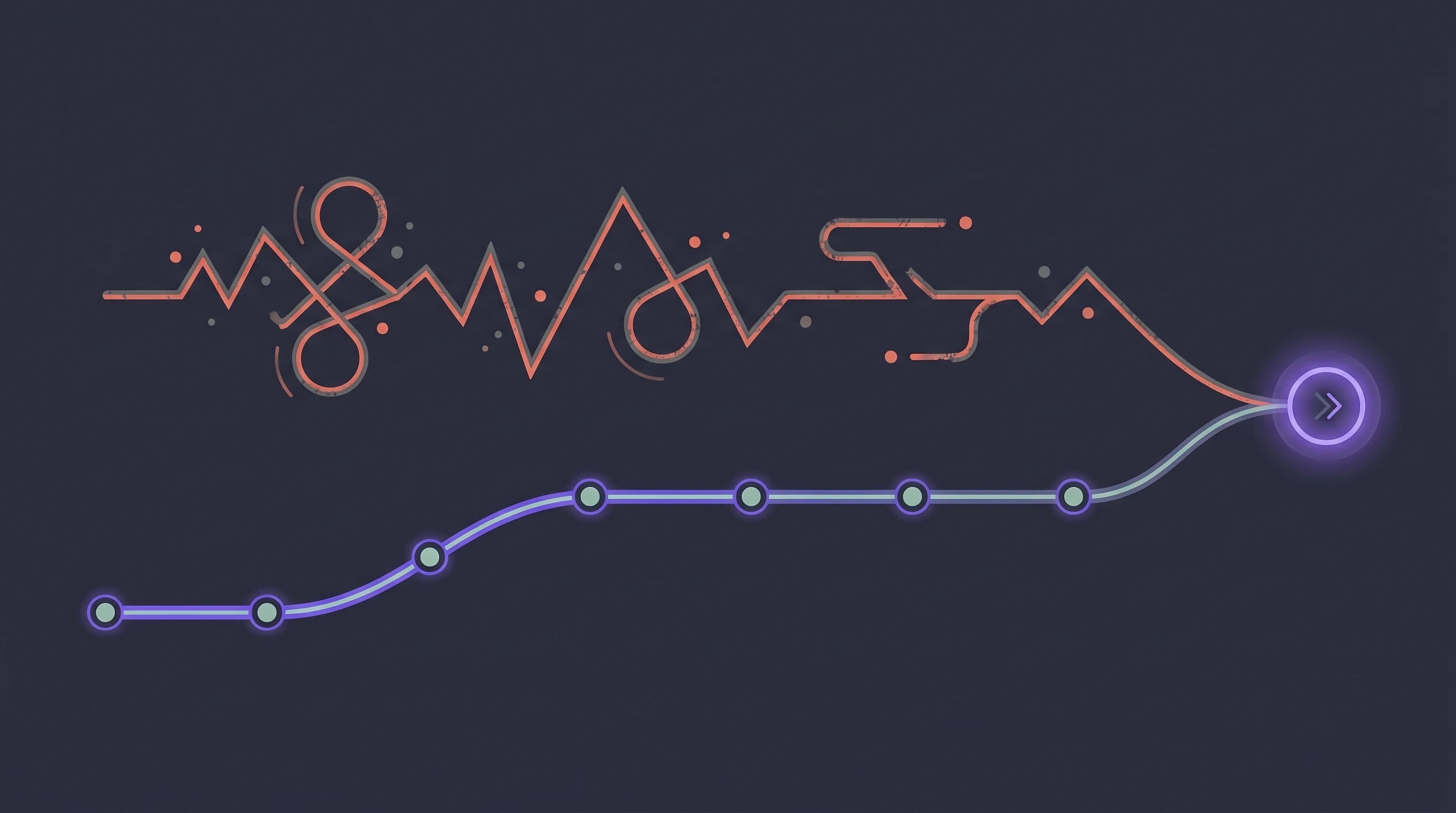
With no planning, the AI tends to invent unnecessary pages, overcomplicate the schema, and skip the unglamorous flows like onboarding and error handling. Plan first, and the same prompt produces something you can actually build against:
- user stories like "As a team admin, I can invite users via email"
- acceptance criteria like "Invites must expire after 7 days"
- pages like
/teams,/invite,/analytics - data models designed for multi-tenancy from the start
The ROI of AI planning
| Benefit | Outcome |
|---|---|
| Fewer revisions | Save dev hours and cost |
| Better conversion | Features line up with real user goals |
| Less tech debt | Structure prevents bloat and rewrites |
| Team clarity | PMs, devs, and AI outputs all stay in sync |
Paired with an LLM, a plan acts like a blueprint: the model gets more deterministic and more productive, because it finally knows what it's building.
How to put this into practice
Prompt for the plan first:
"Generate a detailed product plan with user stories, acceptance criteria, and a data schema for an AI-powered podcast manager."
Only then prompt for code:
"Now generate the code for the homepage and upload flow."
And reuse those specs across teams, tools, and agents instead of regenerating them from scratch every time.
Conclusion
Skipping the plan feels fast. In AI-driven development it's the opposite: structure is leverage. The return shows up not just in cleaner code, but in fewer meetings, less rework, better products, and a faster path to launch.
Want to turn prompts into high-conversion product plans?
👉 Try VibeMap free → · Join the Product Hunt launch waitlist →
Sources & further reading
- PMI, Pulse of the Profession 2024: organizations that plan upfront deliver 2.5× more projects on time and on budget.
- Capers Jones, Software Engineering Best Practices (McGraw-Hill, 2010): the classic data point — defects caught at the specification stage cost 10–100× less than those caught in production.
- McKinsey, The economic potential of generative AI: productivity gains concentrate where AI is paired with structured context, not freeform prompts.