TL;DR
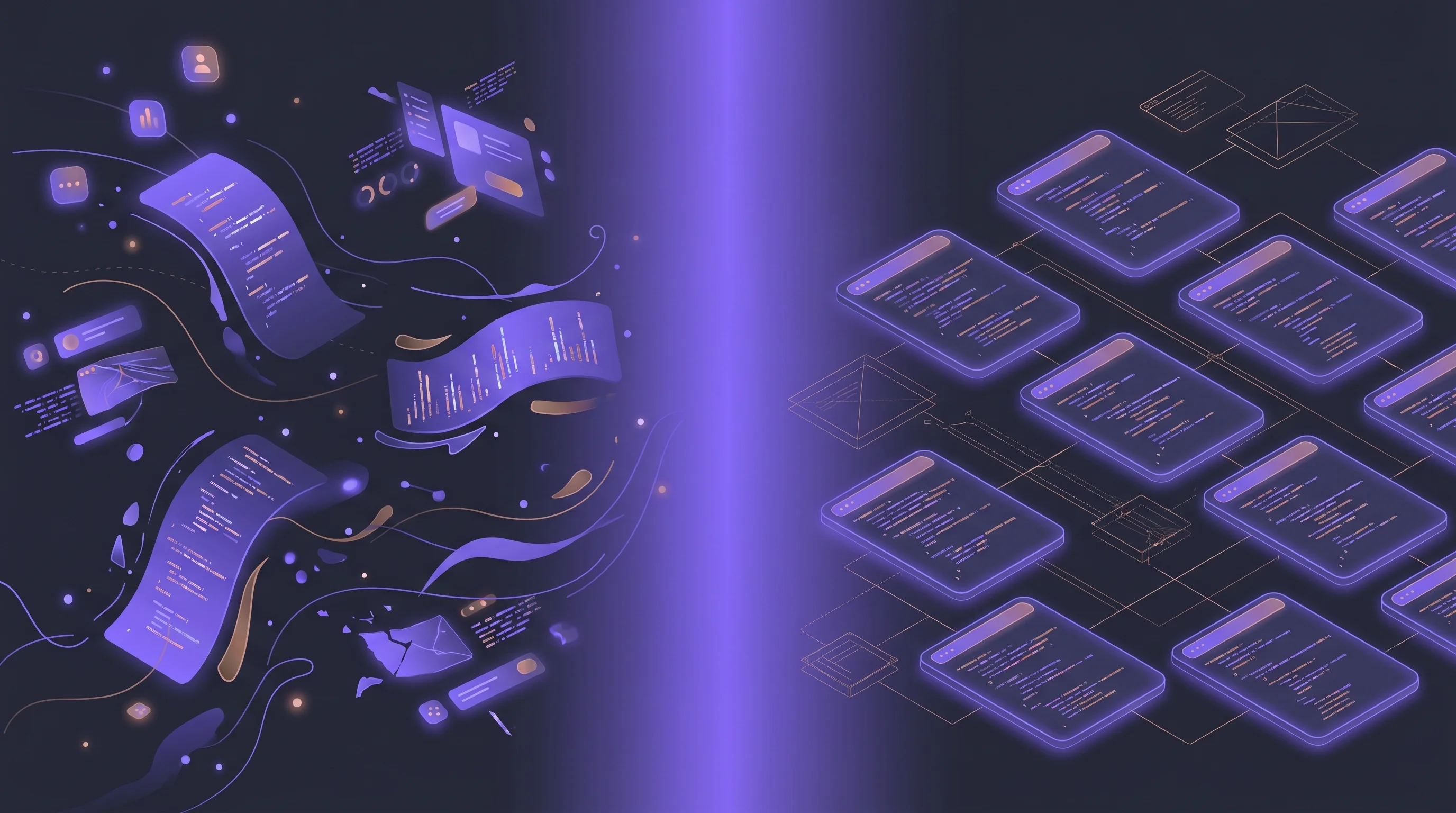
Vibe coding is when you describe what you want in plain English and let an AI (GPT, Claude, Gemini) write the code for you, with little to no planning up front. For prototypes, hackathons, and poking at UI ideas, it's genuinely great. Where it bites you is production: ask for the same kind of feature twice and you'll get two different architectures, duplicated components, and a codebase nobody on the team quite agrees on. You don't fix that by stopping. You fix it by giving the AI a plan to build against, which is exactly what VibeMap does: it turns your idea into a real spec (personas, user stories, acceptance criteria, schema) before a line of code gets written. Below: what vibe coding is, where it shines, and where a little structure pays for itself many times over.
New here? Start with our guide to AI product planning, the layer that sits just upstream of vibe coding and hands your code generator something solid to build from.
What is vibe coding?
"Vibe coding" is using an LLM (GPT, Claude, Gemini) to turn a vague, big-picture prompt into working code. Something like:
"Create a dashboard app to manage podcast episodes."
And the AI hands you back:
- a layout with side navigation and cards
- CRUD endpoints for episodes
- enough Tailwind or Chakra styling to make it look real
It's just enough to feel like magic. That feeling is the whole appeal, and it's also where the trouble starts.
Why everyone's doing it
Three reasons, mostly. It's fast: idea to clickable prototype in minutes. It feels creative, closer to sketching than engineering. And it drops the barrier to entry, since you don't need specs or wireframes to begin.
The risks lurking beneath the vibes
All that speed comes with a bill, and it usually shows up later than you'd like.
Results drift. Different prompts produce different architectural patterns, naming conventions, and UI styles, even for features that should look basically the same.
The code bloats. With no constraints, an LLM will happily duplicate components and write the same logic three slightly different ways.
Nobody shares the plan. On a team, vibe-coded apps feel stitched together, because there's no underlying agreement about how the pieces fit.
It fights back at maintenance time. Refactoring gets painful fast when the AI has been inventing data structures on the fly.
None of this means the AI is bad at its job. It's doing exactly what you asked. You just didn't give it enough to know what "right" was supposed to look like.
Where vibe coding actually shines
For the right job, it's hard to beat:
- Prototyping: hackathons, MVPs you want to validate fast, throwaway UI experiments.
- Learning and exploring: picking up a new framework, trying a pattern, reverse-engineering how something works.
Where it tends to hurt is the opposite end: production apps, team workflows, and anything you'll still be maintaining six months from now.
When (and how) to rein in the vibe
The move isn't to abandon vibe coding. It's to back it with just enough structure that the speed compounds instead of the mess. A few habits that help:
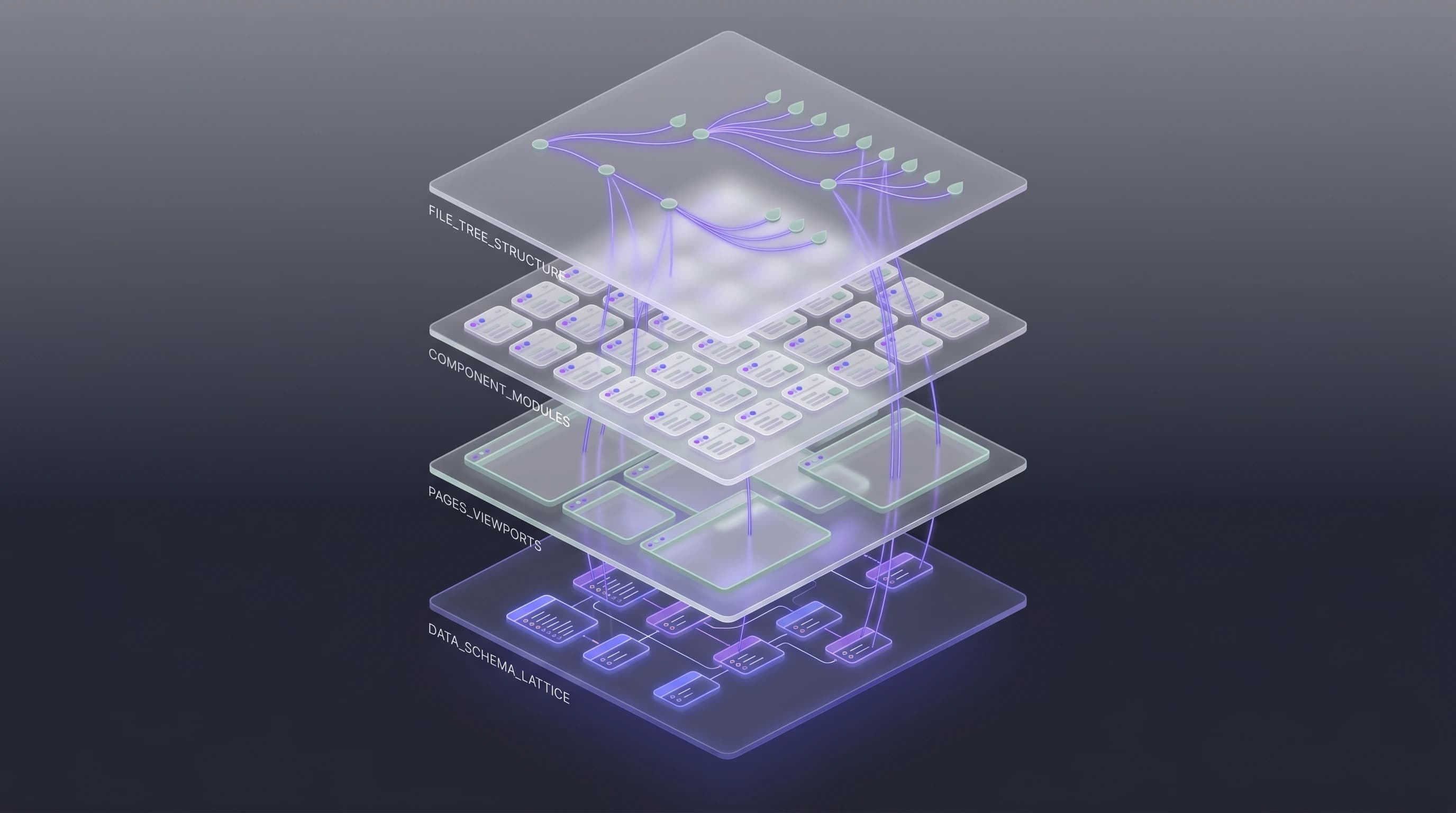
- Plan first. Generate your features, user stories, and acceptance criteria before you prompt. VibeMap does this end to end (see AI product planning).
- Decide your architecture early. Folder structure, styling system, naming conventions: pick them before the AI picks them for you.
- Go prompt-to-spec, not prompt-to-code. Turn the idea into modular spec pieces first. Our free User Story Generator turns a one-line feature into INVEST-format stories in about ten seconds, no signup.
Comparing approaches
Not sure which approach fits how you work? We've written a couple of honest comparisons:
- VibeMap vs ChatGPT for product planning: when a general LLM is plenty, and when you need a real pipeline.
- VibeMap vs Bolt.new: how the spec layer and the code-generation layer fit together.
Takeaways
Vibe coding is genuinely useful, and genuinely risky on its own. Almost every problem with it traces back to the same root: skipping the planning. So don't ditch the vibe. Just point it somewhere.
Want to turn a prompt into a fully planned, ready-to-build project?
👉 Try VibeMap free → · Join the Product Hunt launch waitlist →
Sources & further reading
- Andrej Karpathy, "There's a new kind of coding I call vibe coding" (tweet, Feb 2025): where the term entered public discourse.
- Stack Overflow, 2024 Developer Survey — AI Section: adoption, trust, and productivity data for AI coding tools.
- GitClear, Coding on Copilot: 2024 Data Suggests Downward Pressure on Code Quality: measured rise in code churn and duplication on AI-generated codebases.